Speakers
|
|
Dr. Mika Laiho
Kovilta |
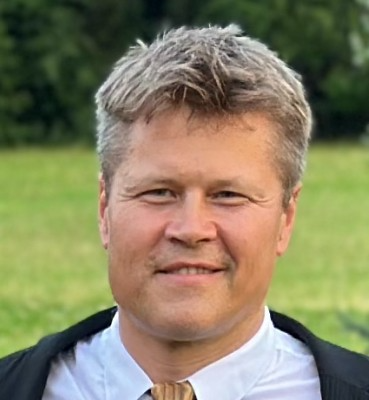
Dr. Mika Laiho is the CTO at Kovilta, a company specializing in visual sensing and computing solutions for real-time robotic control. His research interests include image sensors, on-sensor computing, visual odometry, and neural network hardware implementations on edge devices. |
|
|
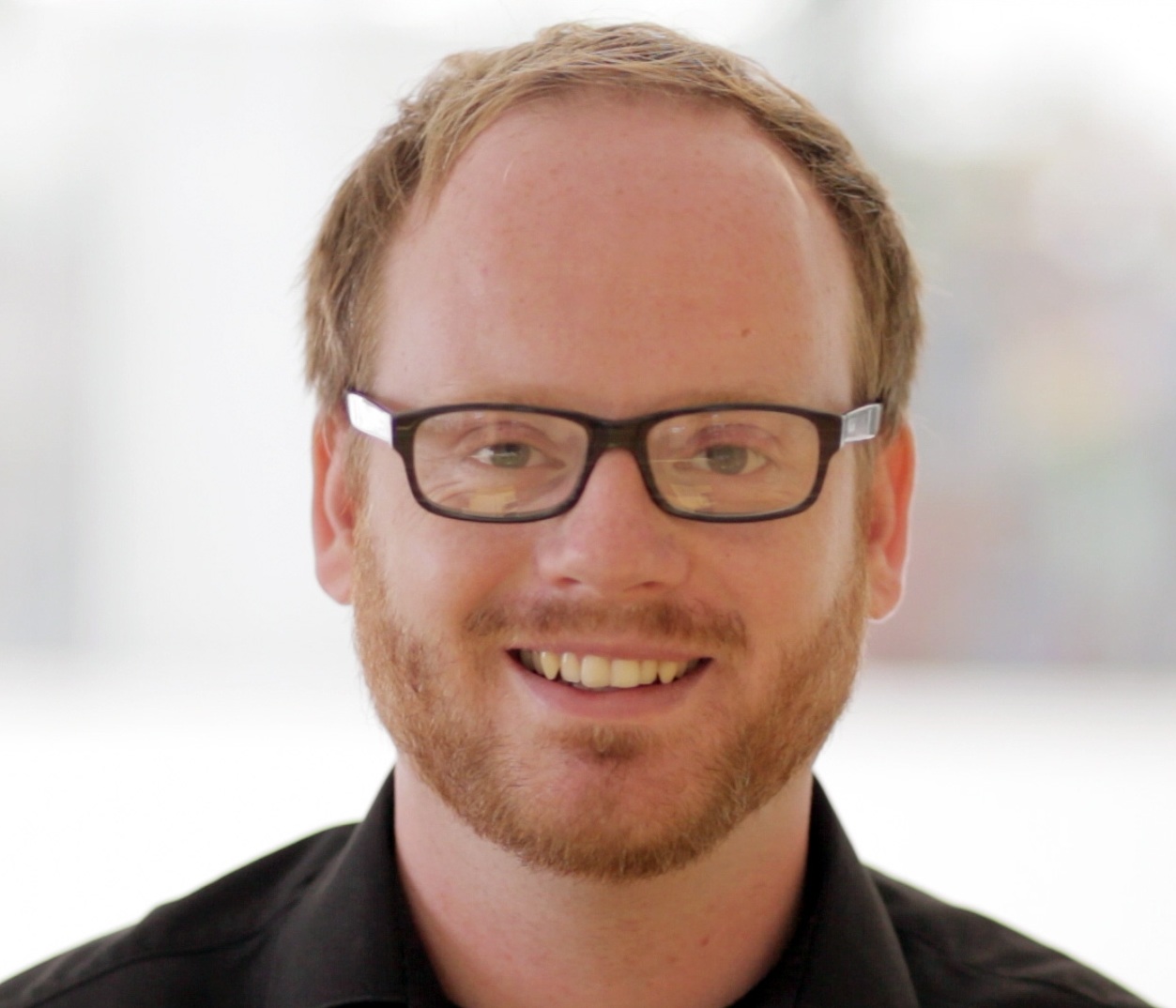
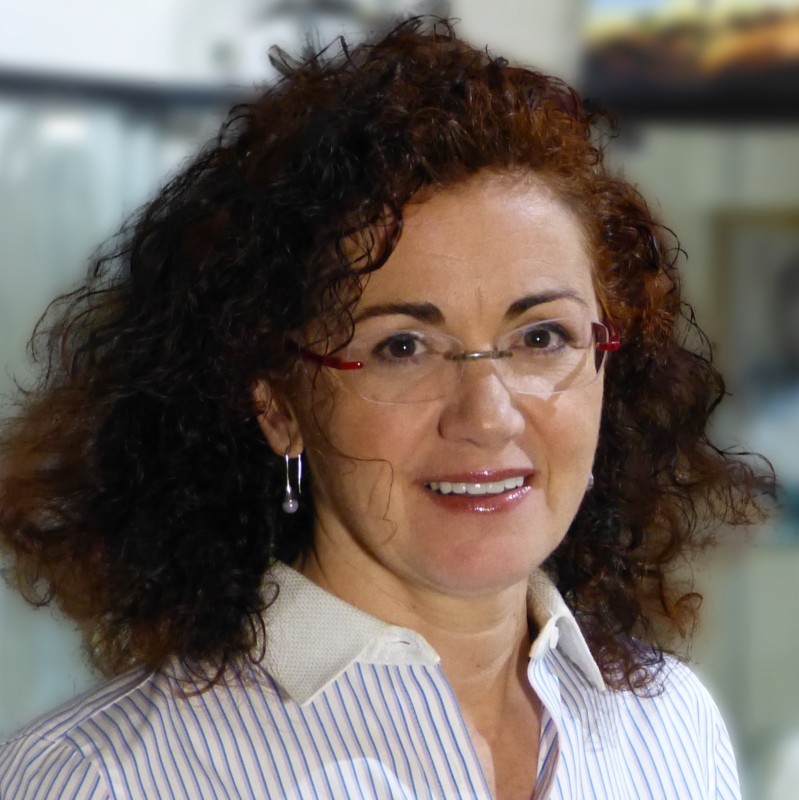
Dr. Mina Khoei, holds a Ph.D. in Computational Neuroscience and brings over 10 years of academic and industrial R&D experience at the intersection of neuroscience and engineering. Her work spans computational and experimental neuroscience, the design of energy-efficient and neuromorphic applications, spiking neural networks (SNNs), and event-based vision sensors. |
|
|
|
Prof. Gordon Wetzstein is an Associate Professor of Electrical Engineering and, by courtesy, of Computer Science at Stanford University. He is the director of the Stanford Computational Imaging Lab and a faculty director of the Stanford Center for Image Systems Engineering. At the intersection of computer graphics and vision, artificial intelligence, computational optics, and applied vision science, Prof. Wetzstein’s research has a wide range of applications in next-generation imaging, wearable computing, and neural rendering systems. |
|
|
|
Prof. Kwabena Boahen is a Professor of Bioengineering and of Electrical Engineering at Stanford University, with a courtesy appointment in Computer Science, and an investigator in the Bio-X Institute, the System X Alliance, and the Wu Tsai Neurosciences Institute. He founded the Brains in Silicon Lab at Stanford to link neuronal biophysics to cognitive behavior through computational modeling and to emulate the brain with silicon chips through neuromorphic engineering. |
|
|
|
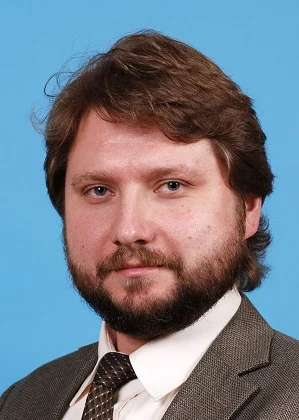
Prof. Piotr Dudek is is a Professor of Circuits and Systems in the School of Electrical and Electronic Engineering. His research interest are in the area of integrated circuit design, especially vision sensors, cellular processor arrays, analogue and mixed-mode processing hardware, neuromorphic engineering and brain-inspired systems. |
|
|
|
Barbara De Salvo is Director of Research at Meta Reality Labs Research, leading new AI sensing technologies and low-power systems/ML architectures for future wearables and humanoid robots. Previously, she was Chief Scientist and Deputy Director at CEA-LETI, where she also founded and led the advanced memory technology division, advancing disruptive memories (phase-change, resistive, and conductive-bridge) and pioneering neuromorphic hardware for ultra-low-power cognitive systems. She was a visiting scholar at IBM Albany (2013–2015) in the sub-10nm CMOS International Technology Alliance, with research that contributed to technologies such as FDSOI, FinFET, and stacked nanowire platforms. She has authored 500+ peer-reviewed articles, 10 book chapters, a Wiley monograph on silicon non-volatile memories, and holds multiple patents. She served as General Chair of IEEE IEDM 2022 and in several IEEE leadership roles. She is an IEEE Fellow. |
|
|
|
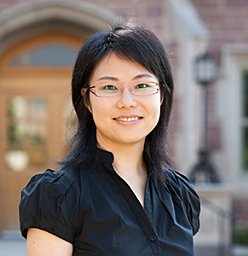
Prof. Xuan ’Silvia’ Zhang is an Associate Professor of Electrical and Computer Engineering at Northeastern University, with a courtesy appointment at Khoury College of Computer Sciences. Her lab works at the intersection of Artificial intelligence (AI) hardware and systems, machine vision co-design, and AI for automated chip design. |